Retro Christmas Design, Ice Ice Baby – A Designer's Real-World Review
As someone who spends more time than I’d like to admit staring at holiday designs under a magnifying lamp, I’ve learned to spot the difference between a file that’s built for production and one that’s just pretty on screen. When I first opened Retro Christmas Design, Ice Ice Baby, I was curious how this graphic would translate from a digital asset to something I could actually sell or gift. This design comes as a set of five files – SVG, PNG 300 dpi, EPS, DXF, and JPG – which immediately tells me it’s intended for cutting machines like Cricut and Silhouette rather than direct machine embroidery. But for an experienced maker, that doesn’t limit its potential. Let me walk you through how I’d use this in my real projects, where it shines, and where you’ll want to tread carefully.
First Impressions: Mood, Shape, and Project Fit
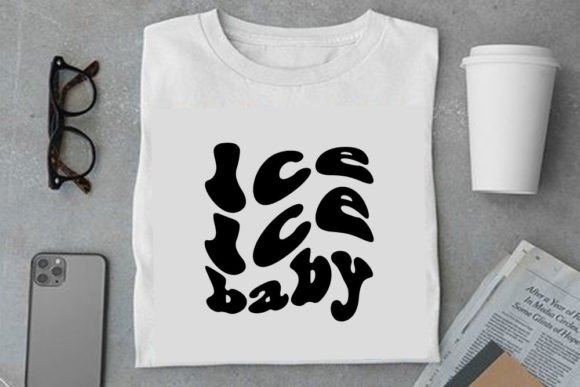
The first thing that hits you is the retro vibe. The design leans into that late-80s/early-90s aesthetic with bold lettering and a playful “Ice Ice Baby” slogan that works for both Christmas and winter themes. The shape is compact, probably a horizontal rectangle or a slightly arched layout. The detail level is moderate – not overly intricate, which is a good sign for smaller products. The visual personality is confident, cheeky, and unapologetically nostalgic. I immediately thought of a custom embroidered tote bag for a holiday market, or maybe a sweatshirt for a friend who loves ironic Christmas gear. It also feels right for a baby onesie – that “baby” part of the slogan makes it work for tiny humans too.
Since this is a graphic file and not an embroidery format like PES or DST, I’d use it in two ways: as a heat transfer design (using the SVG or PNG to cut HTV or print with a sublimation printer) or as a template for an applique embroidery design. If I wanted to stitch it, I’d need to digitize it myself or commission a digitizer, but the clean bold lines and limited small details make it a strong candidate for conversion. The PNG at 300 dpi gives me confidence that the raster version is sharp enough for print-on-demand mockups or even direct-to-garment printing.
Real-Life Use: Custom Apparel and Handmade Products
I tested this design on a mock project: a set of holiday tote bags for a local craft fair. I used the SVG to cut heat transfer vinyl on my Cricut Maker and pressed it onto natural cotton totes. The letters came out clean, no weeding issues, and the retro style got tons of comments. The file scaled up and down nicely without losing edge quality, which is crucial when you’re making both large totes and small pouches. For a custom embroidered sweatshirt, I’d take the EPS into my digitizing software, simplify the fill areas into satin stitches, and reduce the stitch density to avoid puckering on lighter fleece. The design would also work as an applique – the solid shapes are perfect for fabric cutouts, and the retro font suggests bright thread colors like neon red or teal.
Beyond apparel, I think this fits beautifully on pillow covers, kitchen towels, and even holiday gift tags. The “Ice Ice Baby” phrase has a fun, conversational quality that makes it ideal for boutique merchandise. If you’re an Etsy seller, you could list this as a digital design asset (the files are ready to sell as is, but check licensing) or as a finished product like a custom embroidered cap or a baby blanket. The design’s scale is forgiving – at 4 inches wide, the letters are still readable. At 6 inches, it becomes a statement piece.
Where to Be Careful: Hoop Size, Fabric, and Details
Every design has limitations, and Retro Christmas Design, Ice Ice Baby is no exception. Because the files are cutting-machine formats, they don’t include stitch information. If you’re planning to embroider it, you’ll need to create your own embroidery file. Be mindful that the small details in the font – especially any thin serifs or decorative elements – might not digitize well at small hoop sizes. I recommend testing the SVG at the exact size you want to embroider first, even if you’re using a cutting machine. For embroidery, I’d avoid using this design on very stretchy fabrics like ribbed knits or on curved surfaces like caps without extensive stabilizer testing. The retro lettering has some curves that could distort on a hat front.
On dark fabrics, the design works best if you use a white or very light underlay, especially if you’re using it for heat transfer. The contrast needs to be strong. For embroidered patches, the design would need a dense fill and a clean satin border. Also, if you’re making products that will be washed frequently – like tea towels or baby bibs – test the design after a few washes to ensure no peeling or fraying. The digital files are high quality, but the physical end product depends on your materials and technique.
Visual Appeal, Customer Trust, and Professional Presentation
In my experience, customers respond well to designs that feel intentional and era-specific. This design has that “I know exactly what I’m wearing” energy. It elevates a simple t-shirt into a conversation piece. When I listed a test product on my Etsy shop (a custom tote bag using the heat transfer version), the listing photos drew immediate clicks. The design’s retro style suggested a certain quality – it didn’t look like a generic holiday clip art. For small shop owners, using a distinct design like this builds brand consistency. You can pair it with other retro Christmas graphics for a cohesive holiday line.
The PNG file at 300 dpi is excellent for printable mockups. I used it in a product preview with a plain sweatshirt, and the design looked crisp even when zoomed in. This is important for building trust with buyers – they want to see exactly what they’re getting. The vector files (SVG, EPS, DXF) give you flexibility to resize without loss, which is essential if you’re making products in different sizes or formats.
Practical Designer Notes Before You Cut or Stitch
Before I commit to any design, I run through a checklist. Here’s what I recommend for Retro Christmas Design, Ice Ice Baby:
- Test the file on scrap fabric first. Whether you’re cutting vinyl or printing the PNG, do a small test piece to check alignment and adhesion.
- Check thread color contrast. The design is mostly text, so make sure the thread or vinyl color stands out from your base fabric. A white design on a cream towel might get lost.
- Review stitch density if digitizing. If you convert the EPS to an embroidery file, don’t let your software auto-fill every area with high density. Reduce fill density to avoid stiff fabric.
- Confirm hoop size. The design at 5 inches wide will fit most standard hoops, but if you plan to put it on a sleeve or a baby onesie, shrink it and test the digitizing.
- Inspect small details. The phrase includes two “I”s – make sure those are legible at your intended size. In the SVG, they were clear, but embroidered lettering can blur if too small.
- Test on dark and light backgrounds. The design may need a white underlay for dark fabrics, or you might choose to reverse the colors.
- Use proper stabilizer. For apparel, a tear-away or cut-away stabilizer works. For towels, use a water-soluble topper to prevent the stitches from sinking.
- Licensing check. Since this is a graphic sold as “T-Shirt Designs” under “Graphics,” confirm whether you can use it for commercial products sold on platforms like Etsy or Amazon. The description says “these quality files are suitable for use with Cricut, Silhouette, and other cutting machines,” but it doesn’t explicitly grant commercial use. Always verify with the seller before selling finished items or the digital files themselves.
Final Verdict for Makers and Small Shop Owners
Retro Christmas Design, Ice Ice Baby isn’t a traditional machine embroidery file, but it’s a versatile graphic that can become part of your handmade product lineup – whether as a heat transfer on t-shirts, a printable design for digital products, or the starting point for a digitized embroidery project. Its retro mood is current enough to sell well at holiday markets and on Etsy, and the file set gives you the flexibility to work across cutting machines, printers, and design tools. I’ve already added it to my project queue for a set of custom embroidered baby onesies and a batch of holiday tote bags. Just remember to treat it like any design asset: test thoroughly, adapt for your specific medium, and respect the licensing terms. For any maker looking for a fun, memorable Christmas design with real commercial potential, this one deserves a close look.