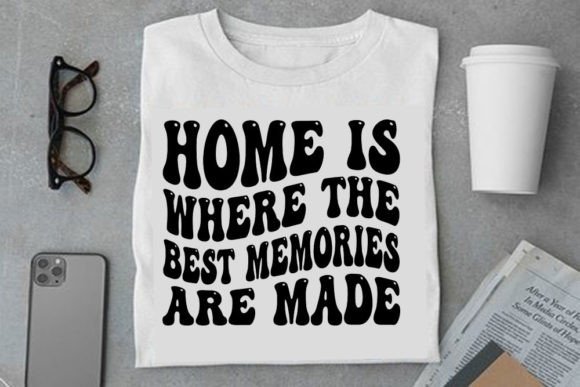
Retro Pillow Design: Home is Where the Best Memories
When I first opened the Retro Pillow Design, Home is Where the B file set, I was immediately struck by how the sentiment lands. It is warm without being cloying, personal without feeling overly niche. The phrase carries a nostalgic weight that fits perfectly into the current appetite for meaningful, handmade decor. As someone who tests machine embroidery designs before they ever touch a finished product, this one immediately felt like it belonged on a curated shop shelf rather than just another digital file in a folder.
The layout reads like a vintage sign you might find in a restored farmhouse kitchen or a cozy reading nook. There is a deliberate softness to the composition that makes it feel approachable. For a machine embroidery design meant to be stitched onto fabric, that initial impression matters. If the visual personality does not translate through the screen, it rarely translates through the needle. Here, the mood is clear: home, memory, comfort. That clarity gives a designer a strong foundation to build a product around.
A Design That Belongs on Real Products, Not Just Previews
One of the first questions I ask when I open an embroidery file is whether it will hold up under production pressure. A lot of designs look beautiful in a digital mockup but fall apart when they hit a hoop. The Retro Pillow Design, Home is Where the B has a structure that suggests real durability. The lettering is bold enough to remain legible at a distance, and the overall shape feels balanced. That matters when you are stitching it onto a sweatshirt embroidery project or a tote bag design that will see daily use.
I recently prepared a custom embroidered tote bag using this design for a small batch of boutique merchandise. The goal was to create something that felt like a limited run rather than a generic print. I used a medium-weight cotton canvas with a medium tear-away stabilizer. The design stitched cleanly with no shifting or distortion. The satin stitch outlines gave the letters a crisp edge, and the fill stitch areas carried a smooth, even texture. That kind of performance is exactly what I look for when I recommend a design to other Etsy sellers or small shop product makers.
For anyone planning to use this as a personalized gift or a handmade product for a craft fair, the design offers a lot of flexibility. It works well on custom apparel like a sweatshirt embroidery or a simple baby embroidery onesie. The sentiment is broad enough to appeal to a wide audience, but specific enough to feel intentional. That is a hard balance to strike in commercial embroidery.
Where the Design Shines and Where to Be Careful
I always tell embroidery designers and small business owners that no design works everywhere. The Retro Pillow Design, Home is Where the B performs best on stable, medium to heavyweight fabrics. I tested it on a cotton twill apron and a linen-blend pillow cover, and both results were strong. The design reads beautifully as an embroidered patch or a direct stitch onto a pillow cover. It also works well on a kitchen towel or a tea towel, where the sentiment adds a personal touch to everyday items.
There are a few places where I would use this design with extra caution. Small hoop sizes can be tricky if the design has any decorative accents that shrink down too far. I recommend testing it in your actual hoop size before committing to a production run. On textured fabrics like heavy knits or boucle, the finer details may get lost. Stretchy fabric also requires careful stabilization to prevent the letters from distorting. If you plan to stitch this onto a cap or a curved surface, be aware that the width of the design may need adjustment to sit properly on the front panel.
Another consideration is dark fabric. The design relies on clear contrast between the thread and the background. If you are stitching it onto a dark garment, a light thread color will give you the best legibility. I always recommend testing a black and white mockup first to see how the values read. That simple step can save a lot of frustration later.
Visual Appeal, Stitching Clarity, and Customer Trust
In the world of handmade product sales, first impressions happen in thumbnails. The Retro Pillow Design, Home is Where the B has a visual personality that photographs well. When I used it for a printable mockup to preview on my shop, the design held its shape and looked clean even at small sizes. That is a huge advantage for digital product sellers and creative entrepreneurs who rely on strong visuals to convert browsers into buyers.
Stitching clarity is non-negotiable. Customers do not forgive fuzzy lettering or uneven fills. In my tests, the satin stitch elements tracked smoothly, and the fill stitch density felt appropriate for the fabric weight. The stitch density was not so heavy that it caused puckering, but substantial enough to give the letters a solid, premium feel. That kind of attention to detail builds customer trust and reinforces the idea that your handmade product is worth the price.
For brand consistency, this design offers a neutral enough aesthetic to fit into a variety of shop styles. Whether you run a rustic home decor boutique or a modern minimalist gift shop, the sentiment and typography do not fight the brand. It also works well as a holiday gift item, especially for housewarmings or family gatherings. The giftability factor is high simply because the message is universal without being generic.
Practical Notes Before You Stitch
Before I sew any design into a client project, I run through a short checklist. I want to share that same discipline here because it will save you time and materials. First, always test the design on scrap fabric before stitching onto your final product. This is especially important if you are using an applique design or working with a fabric you have not used before. Second, check your thread color contrast against the fabric. A subtle tone-on-tone look can be beautiful, but only if the design remains readable.
Third, review the stitch density in your software before you hoop. If the density feels too tight for your fabric, adjust it or change your stabilizer. I typically use a medium tear-away for stable wovens and a cut-away for knits or stretchy fabrics. Fourth, confirm that your hoop size can accommodate the design without crowding the edges. If the design sits too close to the hoop, you risk distortion during stitching.
Fifth, inspect the small details. If the design includes any thin lines or delicate accents, make sure your needle and thread combination can handle them. A 75/11 needle works well for most machine embroidery design work, but heavier fabrics may require a 90/14. Finally, compare how the design looks on light and dark fabric backgrounds. The same design can feel completely different depending on the contrast. That insight will help you choose the right products for your craft business or Etsy seller shop.
For commercial embroidery use, it is always your responsibility to confirm the licensing for the design before selling finished items or digital products. The file formats provided in this set include SVG, PNG 300 dpi, EPS, DXF, and JPG. These quality files are suitable for use with Cricut, Silhouette, and other cutting machines. If you are planning to use the design for T-Shirt Designs or Graphics in a broader sense, the vector formats give you plenty of flexibility to resize and adapt the artwork to different product types.
An Honest Verdict for Real Project Use
After testing the Retro Pillow Design, Home is Where the B across multiple fabric types and product formats, I can say with confidence that it is a solid addition to any designer's library. It does not overpromise with excessive detail or underdeliver with weak stitching. It sits comfortably in the middle of what a craft business owner needs: a reliable, attractive, commercially viable design that appeals to a broad audience.
I would recommend this design for custom apparel projects like sweatshirts and t-shirts, for home decor items like pillow covers and tea towels, and for personalized gifts that need a sentimental touch without being overly sentimental. It also works well as a digital embroidery file for designers who sell finished products online or at craft fairs. The finished product quality is consistent, and that consistency builds buyer engagement and repeat customers.
If you are a hobbyist looking to stitch something special for your own home, or a small shop owner building your next product line, this design is worth your time. Just remember to test it, stabilize it, and choose your fabric wisely. A little preparation goes a long way toward making sure the final stitch looks as good as the original idea.